This is an artefact I use with my teams to onboard them swiftly to my working style. It’s a replicable template. Make it your own
Hi & welcome to the guide to working with me.
What is this and why: This is your fast track to understanding how I work and how to get the best out of me. In new teams, we dance around each other for months before we begin to get comfortable. This eliminates the problem. Thank you for taking the next 10 minutes to read this.
So, shall we?
Part 1: Features and bugs

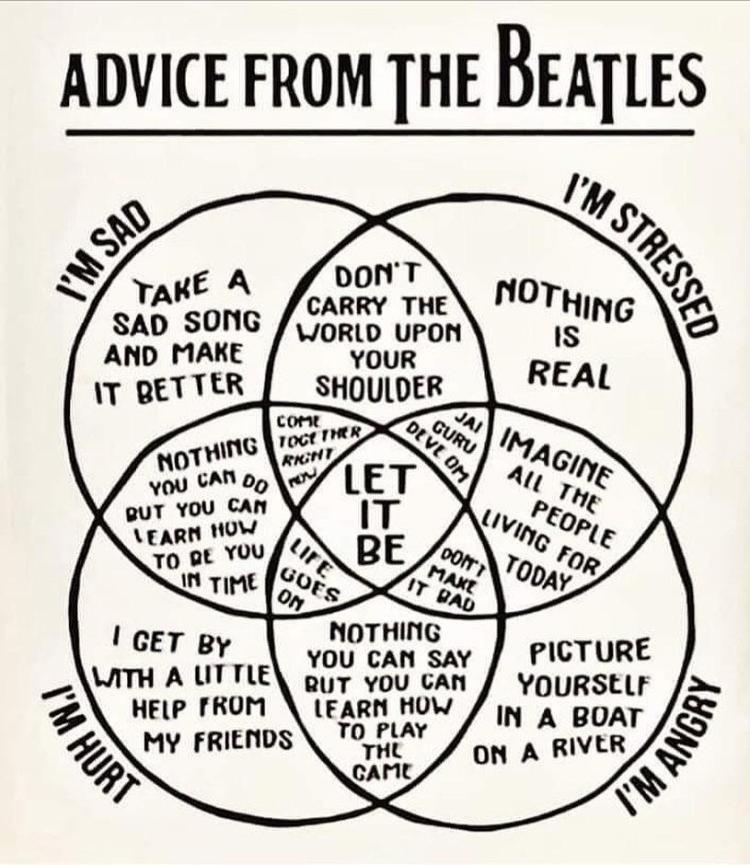
I expertly blend influences into my work – this could be from cognitive science or movement, meditation or fiction. All this makes my work more human.
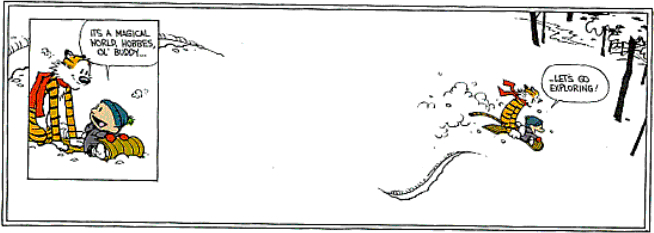
My work is important and takes up a chunk of my time, however, work & my roles are not an identity. Hence, boundaries. I don’t accept routine long hours, manufactured crises or last minute work as a result of bad planning. Good work needs time, peace and creativity. So, by design, my work has an organic cadence and fits into an unhurried pace.
Guiding Values
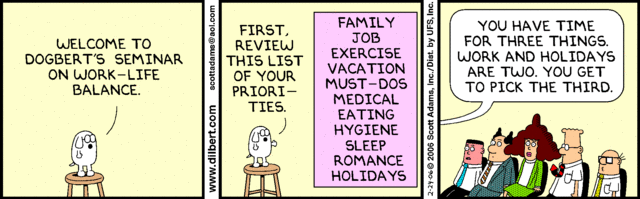
It is easy to understand people when you can work out what moves them, what is important for them and what bothers them. With that in mind, here are my values that drive my behaviour.
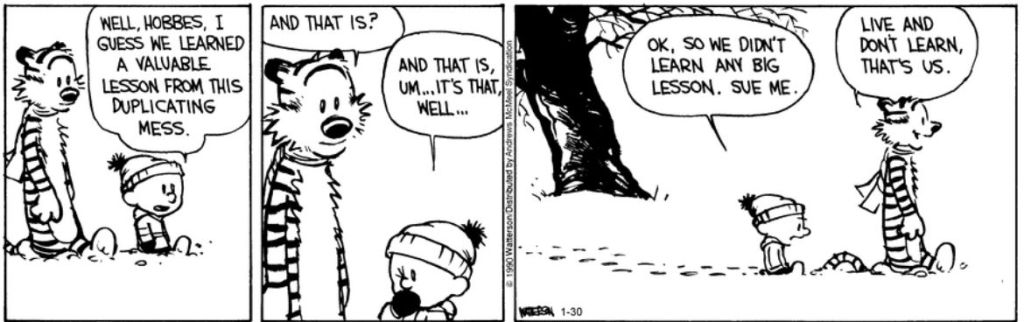
I nourish an equal love of learning and for passing it on to others. Growth comes from trustful conversations and going on quests. Being a cultural concierge, to borrow a Dua Lipa phrase, and connecting people with things, learnings, experiences, places and people is often one such quest.
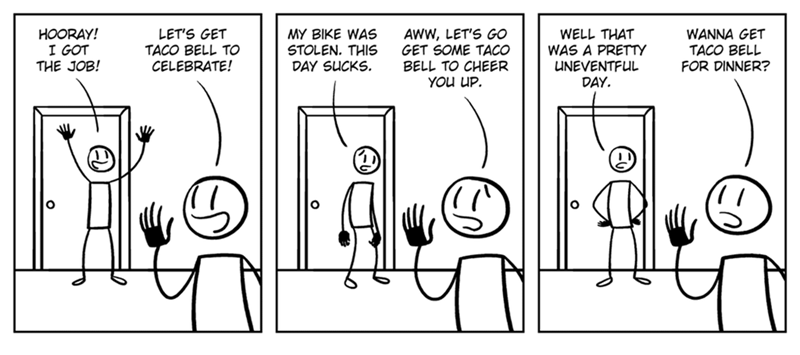
I value steadfastness. Making a plan and committing to it, seeing it through to finish. When I am consistent, I am dependable. This translates to a structured, planned day, being time sensitive.
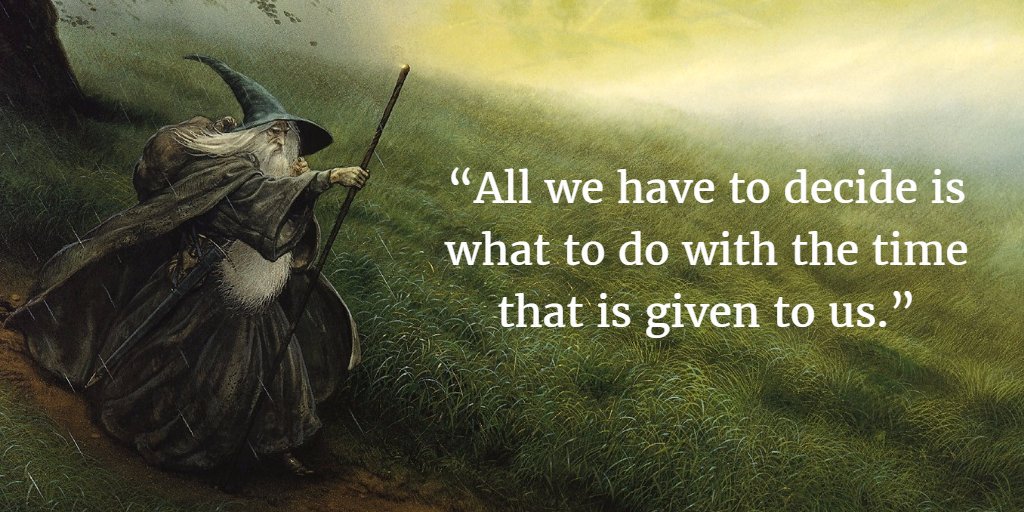
Tolkien, via Gandalf, says it best, as he often does. Leaving a place better than one found it, the core of stewardship. To that end, I take steps to environmental stewardship (city mobility is on a bike, recycling, eating local, etc.), organisational stewardship (conscience-keep, think of short and long term well-being of the people that contain that organisation within them.
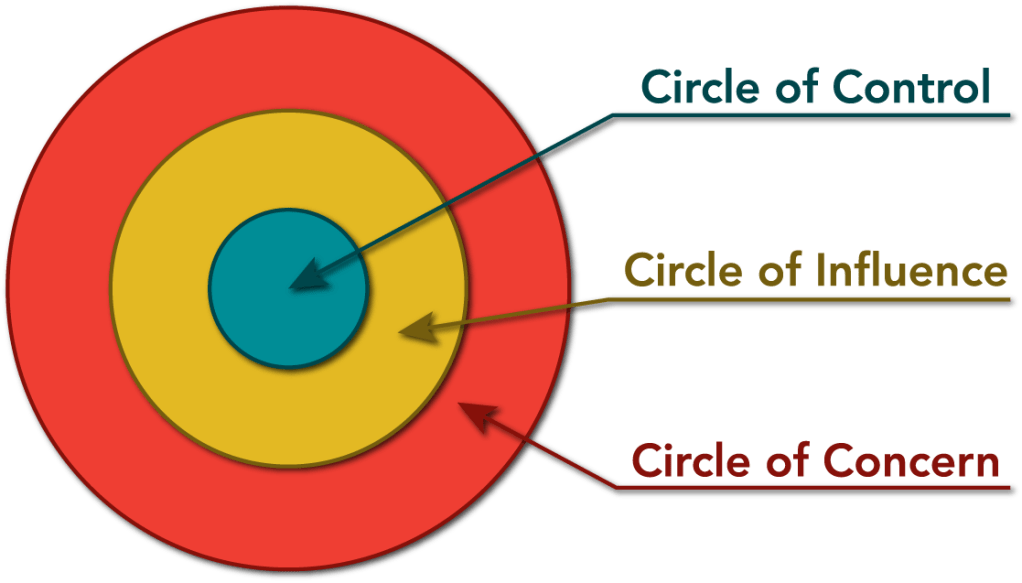
Stoicism in the Epictetus and Marcus Aurelius way of things, not what techbros preach. So, character over convenience/ comfort; common good and fellowship over cliques and labels. The tenet “The pain is the path” teaches me to see things through to the finish and find equanimity in doing so. One of the questions I ask myself early on in most situations is, “Is it in my control?”
Some labels
We all slot people into recognisable labels to make sense of them. Given that, here are some to help you understand me
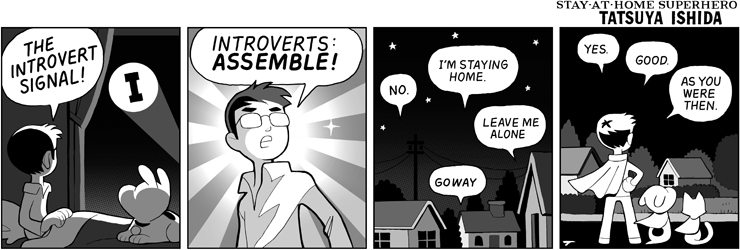
The accepted definition is someone who derives more energy and pleasure from solitary pursuits over social pursuits. That description fits me and close to 50% of the world. Read more.
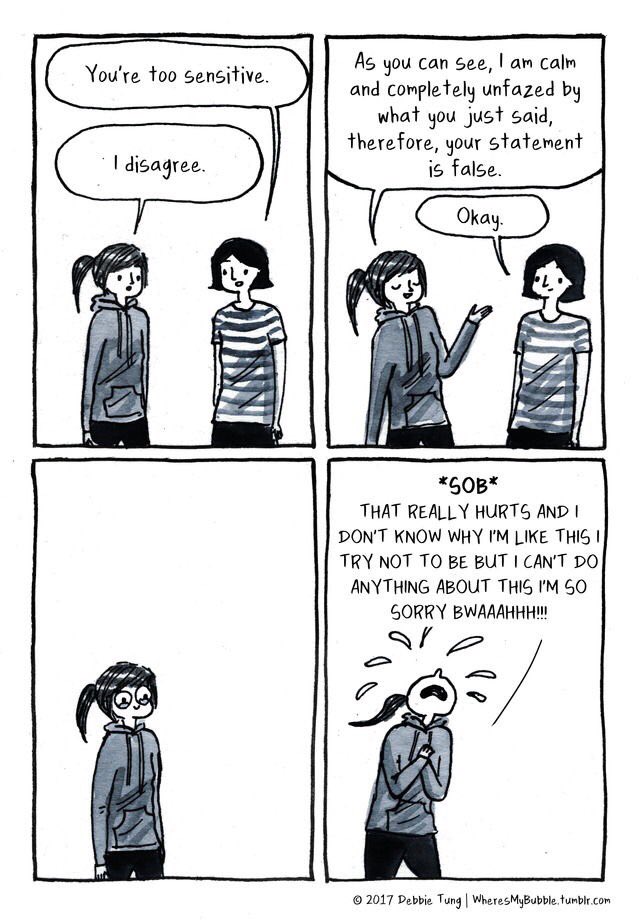
A highly sensitive person is easily stimulated by some things (In my case, time pressure, obsessive planning to avoid overwhelm, verbal violence), are sensitive towards self (tendency to beat oneself up for failures), towards others (can “read” others emotions), sensitive to environment (startle easily, get upset about someone else’s social media posts).
Curious? Read more.
In my work as facilitator & coach, I was introduced to Transactional Analysis. It brings up deep psychological truths in simple to understand ways. One of them is the idea of “drivers”. Responses created in childhood, to cope with lack of autonomy as a young social being, which are fundamentally strengths but may not serve us well if overused. These need both checking and acknowledging. More reading here. My dominant drivers:

Be strong: ““I am ok only when I’m strong” so, Keep calm and carry on. When used well, this gives dependability, calm stability. When overindexed on, leads to a reduction of one’s own wants and needs & leaving the essential unsaid.”

Please others: “”I’m only OK if I please people”. When used well, this can be the source of agreeable, warm, authentic, highly relatable and supportive behaviour. When overindexed on, it leads to complying, being unable to say “no.”, and compromised priorities.
Part 2: Working with me
Preferred hierarchy of communication:
- Slack/ Email
- Call (that’s already scheduled, or someone asks if they can talk for x minutes, before calling)
- Message (Whatsapp/ Telegram/ Signal/ sms)
I typically work with multiple organisations. This compounds the loads on my mails, slack and messages. So, notifications are off by default. If anything is time sensitive, just call.
Situations & responses:
BAU: Email/ Slack, give me time to respond. I am a gradual processor of information. I like to be given time to think and respond.
Urgent: Email/ slack bare bones of the situation and call me to say check email and respond. Even if urgent, I prefer to take a couple of minutes, read through, process, and then talk.
Emergency: Call. Doesn’t matter what time or circumstances.
Difference between urgent and emergency:
Urgent: Time sensitive tasks. Ex. An applicant is taking a timed test, and has internet outage, misses the test link and wants to be reissued it to them. Or, government/ compliance related transactions. Last minute changes to compensation before salaries are credited into accounts. Basically, things hitting flash point.
Emergency: Physical/ emotional safety are examples of what I’d consider in this category. Health/ outstation work stay situations/ any interpersonal issues leading to a feeling of lack of safety, all count.
I appreciate follow ups if I said I’d do something and I’ve missed it. In the early days (the first couple of months) of our work together), while I’m getting used to your communication style, work nuances, patterns etc., it really helps if you not only tell me what you think but also why you think what you think. Sharing your underlying logic helps me understand you better and therefore, help you better.
I tend to get terse in my email/ message responses, as time goes on, and I have a sense that people are comfortable with me. That does not indicate displeasure, distance or any unsaid issues. Quite the opposite, in fact. If you’d like for this to change, just let me know and I’ll re-adjust.
This is where I blend my coaching and facilitation skills and deploy them in long-term, ongoing career conversations with you, where I also have the benefit of a ringside view of working with you and seeing what you do exceptionally and where you need support.
I like scheduled and periodic 1-1s to talk about growth. This is a weighty conversation and important for you. I like to be prepared for these – emotionally, as well as, with being in the right frame of mind, to give as much value out of the conversation as possible.
For transactional conversations, impromptu is fine. People approach the “Human Resources” folks with some trepidation, prepared for their needs to not get met. The HR role gives undue power to one person, and so, I find it best to talk to the person immediately.
This is relevant to people who have a reporting relationship with me. If you don’t, please skip the section.
Alignment: I’d like for you to envisage, own and execute how your work vis-à-vis how that impacts the organisation goals. We will get here eventually, especially if you’re new to the organisation. To this end, I’d like you to, in the first fortnight of your tenure, get a deep understanding of the organisation’s goals. Find out why those specific goals are relevant and what role our team plays in achieving this.
Get multiple opinions from different levels of leadership involved in making this happen. Get solid clarity on team structures, client names etc. If you don’t understand the business, you cannot be an effective people function person. Come back to me with your understanding, so we can sharpen it.
From here on, there will be some tasks I will give you and some that you can craft for yourself. We’ll work together to figure out what falls where. At this point, its important to realize that not all the work you do will be exciting – some will be routine, others will be positively boring. That’s true of everyone’s work, mine included. So, a brave front on that is a good idea.
Planning: I would like for us to spend a short time every week going over:
- What got done the previous week
- What you enjoyed & why.
- What you didn’t & why not.
- What will come your way the coming week
- What you want to do in the coming week
I’d like for this to be a running email, where you document learnings as you move forward, as well.
If you’d like, I can share this about myself too.
Progress: Once a month, we can catch up to assess your progress, alignment to the team’s goals, and the org goals and see what it means for your career in the short, medium and long terms. I’d like for you to look up how others do it, how we do it in the organization, and how can we create demonstrated good practices over time that we can recommend to the org at large.
Working style: I am big on informality. So, first names, for sure and it does not matter to me that I am closer to your parents age than yours.
In all the organisations I’ve worked at, in my role as the person watching out for people, I try to steer clear of politics. Politics is usually not intentional – nobody sets out to be a hero or villain in someone else’s story – it plays out in response to the situation on ground.
Bosses are lampooned: You will find inconsistencies in what I’m saying or doing, and my intentions. You’re likely to make fun of that with others/ give nicknames/ lampoon me. That’s okay by me – it’s almost a rite of passage. But if it comes to a stage where it makes you unhappy or uncomfortable (think of this as the litmus test: if on more than one occasion, you felt like not coming to work, even though you were well, and the reason had to do with coming to office and working with me), please meet me and talk about it. I can promise, that I won’t dismiss or shut you down, use positional power to hurt you, or make it uncomfortable for you.
Feedback:
I’d like to create a level of trust with you where you feel like you can buy in to my feedback on your performance. To do this, I will bring to feedback conversations:
- Data on your performance
- Patterns in that data
- Insights about your work
- What you’ve done well
- What you could do differently
If you’d like me to add or change something, after we’ve run this a couple of times, I’m happy to hear more.
If there are situations where you’ve done something exceptionally well, expect to hear about it immediately. Expect also frequent appreciation on things you might not think you’ve done well. I like the idea of appreciation of the smaller bits of work also.
If there are situations where you’ve made mistakes/ have failed, expect feedback on time, while the situation is still recent, and expect that I treat you with respect and dignity. I will try and not equate the person with the problem – and solve the situation in both axes. If you don’t see any of this happening, please point it out, to I can correct myself.
Micromanaging: My tendency is to go in the other direction – of getting too hands-off and assuming that things are done. So, maybe what you want to do is, if you feel more abandoned than you ought to, tell me, so I can meet you more frequently.
Taking advantage of my role:
I’d like you to actively benefit from working with me in two ways:
- As a resource who could connect you to people I might know; to give you opportunities to do work I currently do, and you might want to take on; to recommend you for external workshops etc.
- As an anchor for your professional development – to be the in-organisation go-to for your conversations on learning, growth, career, changes in professional development direction, and so on.

